who to bring to ultrasound

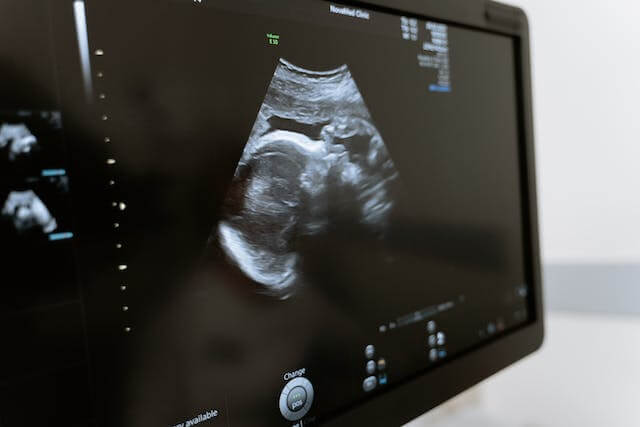
Whether it’s your first ultrasound, gender reveal or 4D scan appointment, deciding who to bring along to your ultrasound scans can be difficult. Many women are torn between keeping their ultrasound scans a private, intimate affair by bringing only a select few, and sharing their special moments with all of their nearest and dearest.

Unfortunately, some hospitals have strict policies on the number of people you can bring to your ultrasound scans, and some don’t allow children into the room either.

But here at First Encounters, we offer space for you and up to 10 guests (including children) to attend your ultrasound scan

Your Significant Other

Ok, this one may seem like a bit of a no brainer, but it goes without saying that your significant other should take top priority when it comes to deciding who to bring to your ultrasound.

Significant others can sometimes feel a little left out during your pregnancy. After all, you’re the one carrying the baby and feeling the full effects of pregnancy while they take a more supportive, secondary role.

Having your significant other by your side for your ultrasound scans (when possible), will give them the opportunity to see and hear how the baby is progressing, making them feel much more involved in your pregnancy.

Taking Children to Your Ultrasound

If the baby on board already has a sibling or two waiting to meet them, its likely that you’ll want to share this wonderful experience with them and make them feel involved in your pregnancy too.  

It can be hard for young children, especially, to grasp the idea that ‘mummy is having a baby ‘. Having baby’s siblings involved in your pregnancy helps them understand what’s happening and, more often than not, it sparks excitement about the arrival of their baby brother or sister. That’s why your children are more than welcome to attend your First Encounter’s ultrasound scan.

We know that it can be difficult to find childcare, and in circumstances where children can’t attend ultrasound scans, significant others and other family members can be forced to miss your ultrasound as they take on the role of baby sitter. We definitely don’t want that to be the case for you here!

Bring the Grandparents!

Whether you want to bring baby’s grandparents or your own grandparents along to your ultrasound, getting the older generations involved in your scans can be an unbelievably touching experience. Grandparents are often just as excited as you are to meet their new grand or great-grandchildren, so it’s worth giving them a thought when choosing who to invite.

With up to 10 guest spots available at First Encounters, you can invite your parents, your grandparents, your significant other and even a cousin along to share the special experience with you, if you like. We think that, particularly if you’re having a 4D scan, bringing guests in the room to meet your baby will be an unforgettable experience.

Book an Ultrasound Scan Now!

If you have any questions or if you’d like to book your scan over the phone, call us on 02920 732671.

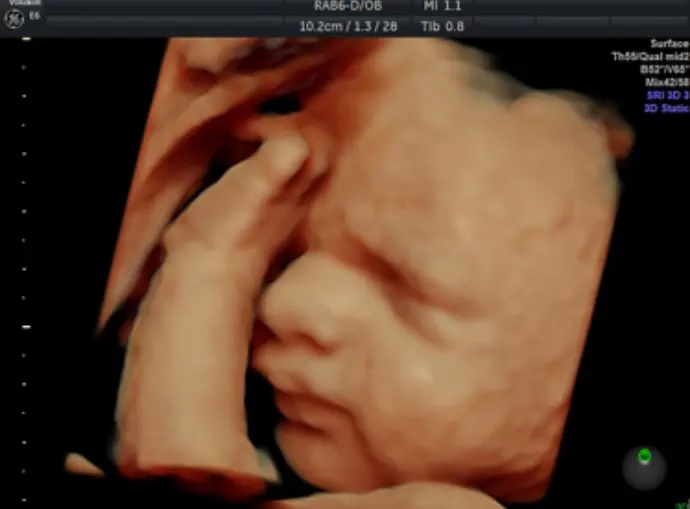
4D scan of a baby in the womb

At the First Encounters Ultrasound clinic in Cardiff, the price of a 4D scan is £149.

We get asked all sorts of questions here at First Encounters, but the most common question of all has nothing to do with how our scans work. Rather, it's related to the cost of our 4D ultrasound scan.

Many people think that 3D/4D scans will be too expensive for them, but most are pleasantly surprised when they see our price list!

4D footage is amazing if you want to bond with your baby. For example, we were able to capture footage of this adorable little baby cracking a smile!

Our 4D Ultrasound Price

We offer a 4DGrowth&Wellbeing™ scan for expectant mothers between 24 and 32 weeks that costs £149. This scan uses Advanced HDlive 3D/4D imaging to obtain growth measurements and perform wellbeing observational checks on your baby. We also offer complimentary baby sexing with this scan if your baby is in a conducive position. This 4D scan package includes a digital foetal assessment report, 6 x glossy colour photos and a complimentary video clip, plus digital downloads of all scan imagery from photocloud™.

If you want to take home a few extra gifts for the family, you may choose to purchase any of the additional baby scan souvenirs we offer in addition to those included in your package. Optional souvenirs include:

  • Additional glossy photos
  • Fridge magnets
  • Key rings
  • Heartbeat teddy bears
  • Gender reveal confetti cannons

Contact us now for more information about our 4D scan packages, or use the link below to browse all scans and book online.

View All Scan Packages

MORE FREQUENTLY ASKED QUESTIONS:

Given that pregnant women in the UK receive two (and, in some cases, more than two) free ultrasound scans on the NHS, some people may be a little unsure as to what private scan providers like First Encounters bring to the table. How do private baby scans differ from their government-funded counterparts? Is a hospital scan still necessary if you're planning to undergo a private scan anyway?
 
 
Well, first of all, we'd like to make one thing perfectly clear: our scans are not intended to replace the dating and anomaly scans offered by the NHS. Under no circumstances do we recommend getting a private scan instead of a standard hospital scan. Instead, services like ours are intended to complement the crucial NHS scans, allowing you to monitor the vital signs across a longer period and enhancing the pregnancy experience for you and those closest to you. 

Monitoring your pregnancy

Here are some examples of the data that our sonographers will record when you come in for your private scan:
  • Growth measurements
  • Weight measurements
  • Baby position
  • Placenta position
  • Fluid levels (low fluid levels can be dangerous and may lead to early delivery)
Your NHS scans will provide you with a lot of information and spot any problems that present themselves at the time, but augmenting your basic scans with an additional private scan allows you to monitor your baby's growth across a broader period. This means that we can not only give you continued peace of mind but also catch any problems that develop after your hospital scans.

Enhancing your experience

While pregnancy can be a very stressful experience, it is also a time of great joy and excitement, both for the expectant parent(s) and for their nearest and dearest. This is the side of pregnancy that First Encounters aims to enhance - here are some of the ways in which we do it:
  • Comfortable, modern clinics with state-of-the-art equipment
  • Space for up to 6 guests to observe your scan in our comfortable viewing area
  • 4D scan packages that let you glimpse your baby's world in incredible detail
  • A GenderGrowth&Wellbeing™ scan (note that some NHS hospitals do not offer gender confirmation)
  • A wide variety of souvenirs to choose from, including our adorable Heartbeat Teddy & Confetti Shooters
These are the things that set our scans apart from standard hospital scans (and, indeed, from those available in other private clinics). While the NHS dating and anomaly scans are still a crucial part of ensuring that your pregnancy goes as smoothly as possible, undergoing a private baby scan is a different - and hopefully far more enjoyable - experience altogether.


A common first sign of pregnancy is tenderness of the breasts and from this point onwards you can expect to experience a variety of other changes. Your breasts, much like the rest of your body, need to prepare for the arrival of your little one.

  1. Initially, a flood of hormones will start to change the breast tissue so it’s able to make milk, this can make your breasts feel swollen and tender. A common misconception is that your breasts will grow to a humongous size. This isn’t always the case, but you should definitely expect them to change in size.


  1. As your breasts grow, you might notice that veins and glands appear more noticeable, your nipples and areola might become a few shades darker too. All of these changes are completely normal. At this point, you might want to consider going for a bra fitting as you may not be able to fit in your usual bras anymore. Cotton, stretchy & comfortable bras are ideal during your pregnancy, and will likely come in handy after the birth when you are breastfeeding!


  1. Breast lumps are very common during pregnancy but can cause you to worry when you find them. According to breastcancercare.org.uk, the likelihood of a woman of child-bearing age, or bearing a child, developing breast cancer is highly unlikely, however, it's recommended that you have any new breast lumps checked by your GP, which will also put your mind at ease.


  1. After sixteen weeks of pregnancy, your breasts are capable and ready to produce milk. At this time, it’s likely that you might experience some fluid leaking from your nipples. We recommend purchasing some washable nipple pads that you can place inside your bra if you’re worried about people noticing.


We hope you have found this blog helpful, if you experience any abnormal discomfort, or you notice any unusual changes in your breasts during your pregnancy, you should contact your doctor.

If you’d like to come and see us for a First Encounters ultrasound during your pregnancy then click the button below to view our different scan packages.

Our Scan Packages >

Prevent stretch marks during pregnancy

What are Stretch Marks?

Stretch marks are lines and streaks that form in the middle (dermis) layer of your skin as it grows and stretches. They are often red or purple in colour at first but they gradually fade, leaving a silver/white coloured mark. They aren’t always uniform in shape and size, they can be long or short, thick or thin.

Stretch marks can appear at any time in your life, and some people are more prone to getting them than others. For example, if your mother or father has stretch marks then it’s likely that you will too.

Because your body changes and grows so much when you’re pregnant, it’s likely that you’ll see some stretch marks appearing on your stomach, legs and breasts during pregnancy, even if you haven’t noticed any before.

A lot of women feel quite self-conscious about developing stretch marks whilst they’re pregnant, and while we think that stretch marks are a beautiful and something to be embraced, there are things you can do to prevent and reduce the appearance of your stretch marks if you prefer to.

Ways to prevent & reduce the appearance of stretch marks:

1.      Moisturise and Hydrate

Drinking enough water is always important. But in this case, staying hydrated will ensure that your skin is soft and supple reducing the likelihood of stretch marks appearing. The recommended average daily water intake for a pregnant woman is around 10 glasses (although we know this can be tricky when you have extra pressure on your bladder, so do your best!)

Moisturising your stretch marks when they are fresh (red or purple in colour) also reduces the chances of them getting worse and helps them fade more quickly. Why not convince your partner to rub a stretch mark preventing oil or moisturiser in for you? Or incorporate a little bit of extra time to do this yourself into your daily routine.

2.      Try to control the rate at which you gain weight

Stretch marks predominantly occur because you gain (or lose) weight faster than the elastin in your skin can accommodate for, hence the tear-like appearance of stretch marks. Doing your best to control the speed of your weight gain throughout pregnancy can be a really effective way of preventing stretch marks. Try to plan a diet and exercise plan that will nourish you and your baby without you rapidly gaining weight.

3.      Wait for them to fade, change your outlook

Over time, any stretch marks that you do develop during pregnancy will fade and become much less noticeable. Unfortunately, experts haven’t created a fool-proof way of preventing or reducing the appearance of stretch marks yet, so it might be better altering your outlook and embrace your stretch marks. They are, after all, a gorgeous reminder of the little miracle your body is making.

We hope that this information has been helpful. While you’re here, why not take a look at our range of baby scans, we offer both 2D and 4D scans that give you a beautiful glimpse into your baby’s world.

how to sleep during pregnancy

Getting the right amount of sleep or finding a way to fall to sleep can be a real struggle for any person, let alone if you’re an expecting mother. Methods that you have used to help you get a better quality of sleep in the past may no longer work now that you’re pregnant, so what are you to do now? Read on for our best tips for sleeping during pregnancy!

When you fall pregnant, your body will begin to change in a number of ways that can affect your quality of sleep. You may start to experience:

  • Shortness of breath
  • Back pain
  • Heartburn

The good news about sleeping while pregnant is that you shouldn't have to adjust the way you sleep until you reach your second trimester. So, with these things in mind, let's take a look at some of the most common soon-to-be-mum approved sleeping positions!

Can I Sleep On My Back?

If you usually sleep on your back, you should be alright to continue for your first trimester, however, between 15 and 20 weeks gestation, the uterus grows big enough to start interfering with the flow of blood when sleeping on your back. At this stage, the uterus can begin to compress the inferior vena cava (IVC), as well as tightening the aorta, which blocks the main blood supply to your body and placenta. Therefore, sleeping on your back during this stage of your pregnancy can decrease the amount of blood returned to the heart, resulting in shortness of breath or an increased heart rate when waking up.

It is recommended that you limit how long you lay on your back after around 19 weeks to avoid a restriction in blood flow or oxygen to your baby.

Can I Sleep On My Front?

During the early stages of pregnancy, sleeping on your stomach is fine, but there will come a time where you will have to turn over, usually at around 16/18 weeks when your bump begins to show. Once your bump starts to show, sleeping on your stomach can become uncomfortable and also have safety implications, similar to sleeping flat on your back. Sleeping on your stomach can cause your bump to move inside the stomach and again press against the IVC and aorta, causing shortness of breath and a rapid heart beat as mentioned above. 

Can I Sleep On My Side?

The best and most commonly used sleeping position among pregnant women is referred to as ‘SOS’, which stands for sleep on side. More specifically sleeping on your left side, as this will help increase the number of nutrients and blood that reach both the placenta and baby.

Sleeping on your right side can also compress the IVC, however, using pillows to prop up the uterus to prevent it sliding to the right can be helpful. It is not uncommon to fall asleep on your left side and wake up in a completely different position, on your back for example. If this does happen, there’s no need to worry as you probably weren’t in that position for very long. If you lay on your back during your third trimester, your blood flow will become compressed which will cause you to feel uncomfortable quite quickly, making you wake up. If you continue to wake up in a position other than your left side, ask your partner to check on you and move you back to your left side.

Other Pregnancy Sleeping Tips 

  • Sleep on your side with bent knees to relieve back pain and pressure on your uterus.

  • Try placing a pillow between your legs to ease back pain.

  • Try raising your upper body with pillows to help reduce heartburn.

  • If you're suffering from swelling and leg pain, elevate your legs with pillows.

  • Use a pillow under your side to raise your chest if you have shortness of breath. 

For further information on how to sleep when pregnant, or if you are experiencing troubles sleeping, get in touch with a doctor as soon as possible. If you require a baby scan during any point of your pregnancy, be sure to browse from our range below!

Our Scan Packages >