


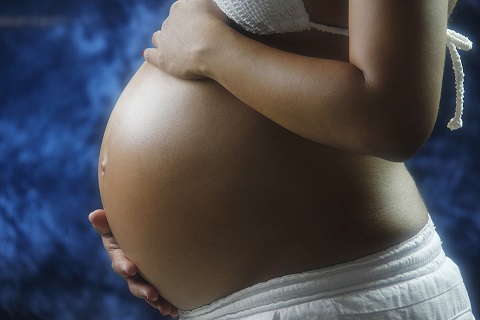
Food cravings are something that almost every pregnant woman will experience. From takeaways to sweets to dairy products, there will always be something that they need to satisfy a sudden urge.

Food cravings are something that almost every pregnant woman will experience. From takeaways to sweets to dairy products, there will always be something that they need to satisfy a sudden urge.

One thing that almost every expectant mother thinks about at some point before or throughout their pregnancy is their weight.
Common questions include: how much weight should I gain during pregnancy? How will my post-baby body look? Can my pregnancy weight be easily lost?


When it comes to pregnancy, many questions are asked about what you can and can’t have, especially when it comes to food and drink. One of the most popular questions asked, however, is concerned with coffee intake. Can pregnant women drink coffee? How much caffeine can you have while pregnant? Is too much caffeine bad? So, let’s find out!
With increased levels of fatigue experienced by many pregnant women, coffee may always seem like the easy go-to in order to keep energy levels up, whether it’s to complete day-to-day tasks or manage other children and toddlers. But is it okay to drink coffee when pregnant?
Well, the simple answer is yes, pregnant women can drink coffee, but in small amounts over the course of the day.
Experts recommend that pregnant women take in no more than 200mg daily, approximately 2 cups of coffee.
However, it is very important to note that not all coffee is caffeinated in equal measures. Caffeine content varies on the method of production and type. Drip coffee contains the highest levels (approximately 140-240mg per 240ml/8 oz) followed by brewed and then instant.
So, as a general guideline, mothers-to-be can have two small cups of brewed coffee a day, but it is important to note other sources of caffeine contribute to this amount, such as fizzy/energy drinks and chocolate.
Exposure to high amount of caffeine could have the potential to unsettle their stress hormones which can lead to heart disease, diabetes, rapid weight gain and later life obesity.
If you are conscious about the levels of caffeine that you consume when pregnant and want to lower these, or if you think you’ve hit your daily amount and are in search for an alternative to help satisfy your cravings, try these drinks instead:
These may not be the coffee that you know and love, but they will definitely go a long way when cravings start to kick in while giving you peace of mind that you are doing no harm to you or your baby!
*
For further information on what’s safe to eat or drink while pregnant, be sure to contact your doctor or midwife – for further advice on pregnancy cravings and how to curb them, click below!
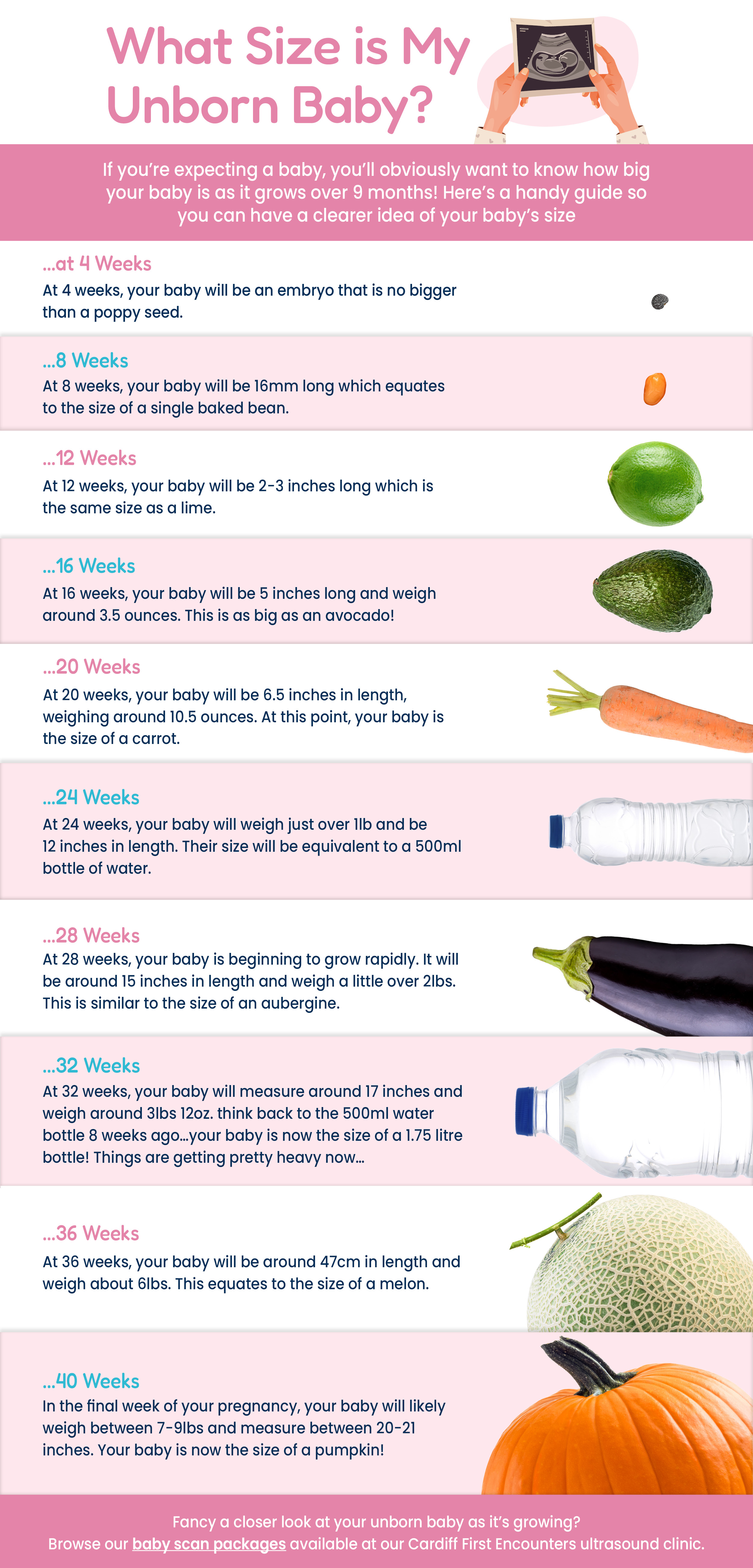
If you've had an ultrasound scan with First Encounters before, you may remember seeing the model that we keep in the clinic to show our visitors:

If you've recently become pregnant, you're probably wondering what's in store for you over the next 9 months!
To make sure you have all the details you'll need throughout your pregnancy, we've made a week-by-week list of all the most common pregnancy symptoms. Please note that every pregnancy is different, and some people may experience certain symptoms earlier or later than others (if at all), so please don't worry if your own pregnancy doesn't perfectly match the list below.
This is a very common time for women to find out that they are pregnant. This is a very early stage, so don't be surprised if you aren't experiencing any pregnancy symptoms just yet.
However, you may experience:
You're almost two months in, and it's probably starting to feel a little more real. That being said, it's not unusual to have few (if any) symptoms at 7 weeks - remember, it's still relatively early in your pregnancy.
Some people experience the following symptoms around the 7-week mark:
After nine or ten weeks, you'll probably have experienced most of the pregnancy symptoms that tend to strike during the first trimester. In addition to the symptoms listed above, you may now notice:
Week twelve is the final week of your first trimester. Your baby has now grown from a tiny cluster of cells into a foetus, and your uterus will be starting to expand beyond your pelvic bones. In addition to all of the symptoms we've already discussed, you may now be experiencing:
As you head into your second trimester, your pregnancy symptoms should become less erratic. Now you can look forward to your bump getting bigger and the baby starting to kick. You will probably continue to experience some aches and pains, and you should continue to go for regular check-ups to make sure that you and your baby-to-be are both healthy.
Here are a few milestone moments to look out for later in your pregnancy journey:
If you're 7-14 weeks pregnant, why not book an EarlyReassure™ scan with First Encounters? We also offer a 4DGrowth&Wellbeing™ scan for when you're a little further along and you're ready to see what your little one looks like!
Image from pixabay.com
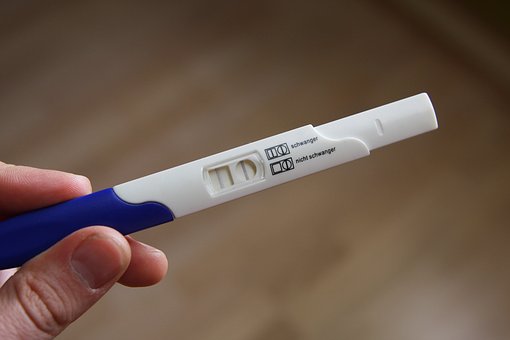
Knowing when to take a pregnancy test to get the most accurate results can be difficult. If you are trying to get pregnant then you want to know as soon as possible! If you suspect you are unknowingly pregnant, confirming or disproving this is a priority.
It is recommended that you wait one week until after you miss your expected period to achieve the most accurate result.
If you can’t wait this long, it is recommended that you allow one to two weeks after you have had sex for detectable levels of HCG to build up in your system. Sensitive home pregnancy tests claim to be able to confirm pregnancy as early as 8 days after conception and can offer an estimation of when you conceived based on the amount of HCG present in your urine.
Be aware that the levels of HCG produced throughout pregnancy vary from woman to woman, so do not be disheartened by an early negative result if you are trying to conceive, you may still be pregnant!
If you or a friend has recently become pregnant, why not book in for an EarlyReassure™ scan? This reassurance and dating scan can be conducted at any time between 7 and 13 weeks and focuses on the development and wellbeing of your little one.


