


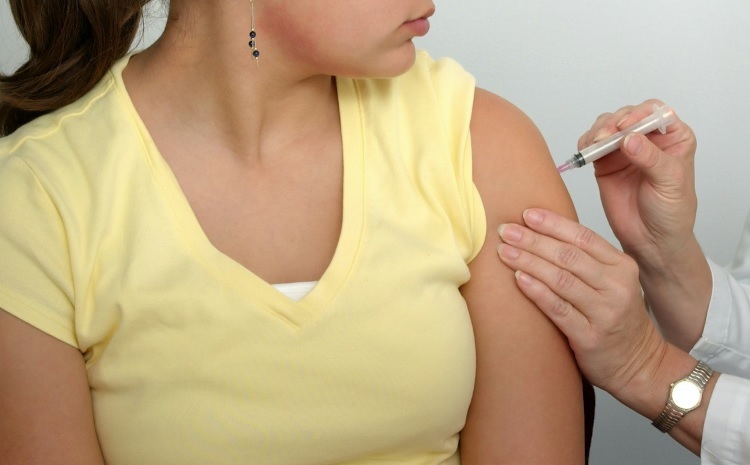
Here in Wales, pregnant women are offered three routine vaccinations: whooping cough from 16 weeks, RSV from 28 weeks, and flu at any stage of pregnancy during flu season (September to March).
Read on to find out why these vaccinations are so important, or use these quick links to learn about each vaccine and the illness it protects against:
Why should pregnant women get vaccinated?
When a pregnant woman is vaccinated, antibodies are passed to her unborn baby. This helps to protect the child from infection during the early weeks of his or her life.
Public Health Wales recommend getting all three vaccinations every time you get pregnant. For example, if you're currently pregnant with your second child, you should be offered all three vaccines even if you already had them when you were pregnant with baby number one.
Whooping cough vaccine
Offered from 16 weeks pregnant. Ideally given between 16 and 32 weeks.
Whooping cough, also called pertussis, is a bacterial infection that affects the lungs and airways. It's similar to a cold at first, but then it develops into long bouts of coughing that make it hard to breathe.
It can be particularly serious in young babies, which is why this vaccination is offered during pregnancy.
RSV vaccine
Offered from 28 weeks pregnant. Ideally given between 28 and 36 weeks.
RSV stands for respiratory syncytial virus. Most people who get RSV only experience mild, cold-like symptoms. But the virus can be a serious problem if the patient is an older adult or a child under 6 months.
In babies, RSV can cause bronchiolitis, which is a lung infection that can make breathing and feeding difficult. Getting an RSV vaccination during pregnancy reduces your baby's risk of developing severe bronchiolitis during those first 6 months.
Flu vaccine
Offered from September to March at any stage of pregnancy. Have it as soon as it's offered.
Flu (short for influenza) is a viral infection that can be more severe when you're pregnant. It can also make babies very unwell. The flu vaccine helps protect you during pregnancy, and your baby after you've give birth.
If you have any questions about any of these vaccines, speak to your midwife or GP. Since we're based in Cardiff, we've focused on the public health recommendations for Wales here – please be aware that the standard vaccination programme for pregnant women may differ in other parts of the UK and overseas.
FOR MORE PREGNANCY TIPS AND ADVICE, FOLLOW FIRST ENCOUNTERS ON...


